
We're here to help you.
281-712-7740
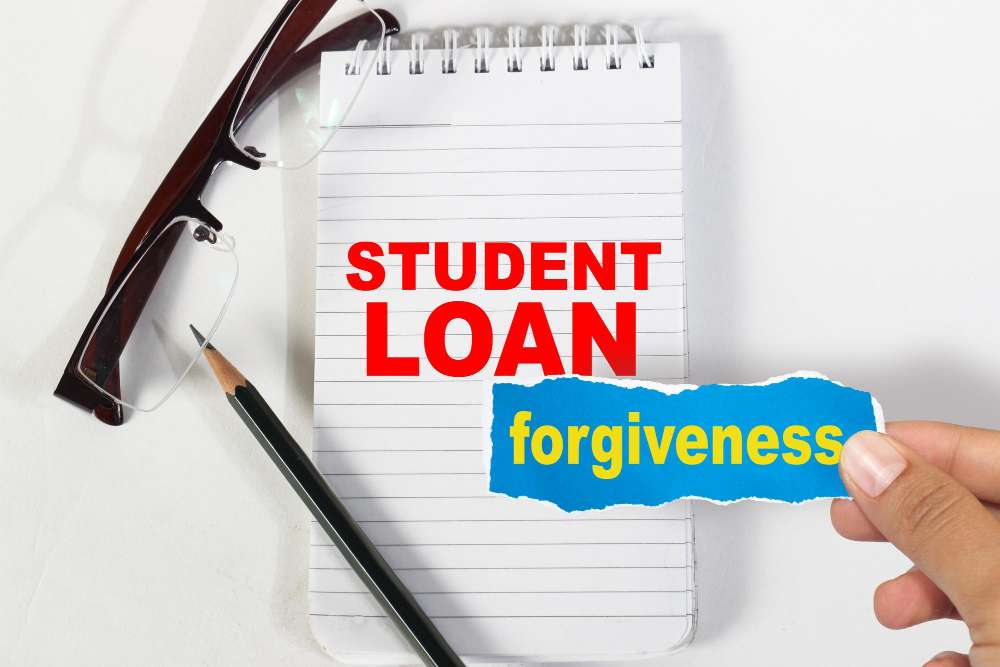
Student loan debt often lingers long after graduation, with many borrowers making steady payments while interest continues to grow in the background.
It is a common source of financial pressure, especially when the end of repayment feels unclear. Federal student loan forgiveness programs can offer a path forward, but understanding how they work is key to making the most of them.
At The Debt Defenders, we work with individuals navigating complex financial situations every day. Student loans are often a major part of that picture. This guide breaks down the primary forgiveness options and highlights recent updates so you can better understand where you stand.
Key Takeaways
- Federal student loan forgiveness applies only to federal loans, not private loans.
- Public Service Loan Forgiveness (PSLF) provides forgiveness after 120 qualifying payments for those working in qualifying public service jobs.
- Income-Driven Repayment (IDR) forgiveness reduces monthly payments based on income and offers forgiveness after 20-25 years.
- Teacher Loan Forgiveness offers up to $17,500 in forgiveness for eligible educators.
- Discharge programs like Borrower Defense and Total and Permanent Disability (TPD) offer relief in specific situations.
What Borrowers Need to Know About Student Loan Forgiveness Programs
Before getting into the specific programs, there’s one thing worth clarifying: federal student loan forgiveness programs apply only to federal student loans. Private loans (issued by banks, credit unions, or private lenders) are not covered.
Public Service Loan Forgiveness (PSLF)
This is one of the most well-known pathways to loan forgiveness, and it remains in place. PSLF is available to borrowers who work full-time for a qualifying employer, such as a government agency or nonprofit organization. They must also make 120 qualifying monthly payments under an income-driven repayment plan. After those 10 years of qualifying payments, the remaining balance on Direct Loans is forgiven.
A few things to keep in mind:
- The 120 payments do not need to be consecutive, but they must be made during qualifying employment periods.
- Only Direct Loans are eligible, so if you have other types of federal loans, consolidating them into a Direct Consolidation Loan may open the door to PSLF.
- If you are currently working toward PSLF, it’s worth confirming that your employer still meets the updated criteria.
- PSLF forgiveness is not subject to federal income tax, which sets it apart from some other forgiveness options.
Eligible borrowers can use the PSLF Help Tool on StudentAid.gov to track qualifying payments and confirm employer eligibility.
Income-Driven Repayment Forgiveness
Income-driven repayment (IDR) plans cap monthly payments based on income and family size. After a set number of years of payments (generally 20 or 25 years, depending on the plan), any remaining balance can be forgiven.
Following a legal agreement with the American Federation of Teachers, the federal government agreed to resume processing forgiveness for eligible borrowers under the Income-Based Repayment (IBR), Pay As You Earn (PAYE), and Income-Contingent Repayment (ICR) plans. That was a meaningful development for millions of people whose path to forgiveness had been in limbo.
Starting July 1, 2026, the new Repayment Assistance Plan (RAP) will be available as a repayment option for new borrowers. It sets payments based on income and family size, extends forgiveness to 30 years, and protects borrowers from runaway interest as long as payments are made on time. Existing borrowers can continue in their current plans for now, though it’s worth reviewing your options and understanding your timeline.
One important note: forgiveness under IDR plans (outside of PSLF) is once again taxable federally as of 2026. Anyone approaching the end of a repayment period should plan accordingly.
Teacher Loan Forgiveness
Teachers have their own dedicated forgiveness pathway. Borrowers who teach full-time for five consecutive years at a qualifying low-income school or educational service agency may be eligible for up to $17,500 in forgiveness on certain federal loans. Math, science, and special education teachers qualify for the highest amounts. Other subjects may be eligible for up to $5,000.
To qualify, the loans must meet specific timing requirements, and the school must appear in the Department of Education’s designated directory. Applications are submitted through your loan servicer once the service requirement is complete.
A key detail: time spent working toward Teacher Loan Forgiveness does not count toward PSLF. If you’re considering both programs, it’s worth carefully evaluating which makes more sense for your situation.
Other Discharge Programs Worth Knowing About
Some borrowers qualify for loan discharge under specific circumstances that fall outside the standard forgiveness programs:
- Borrower Defense: If your school misled you or engaged in misconduct that caused you to take out loans, you may be able to have those loans discharged through the Borrower Defense program. This is particularly relevant for borrowers who attended for-profit schools that have since closed or faced legal action.
- Closed School Discharge: If your school shut down while you were enrolled, or shortly after you withdrew, you may be eligible for discharge of the loans tied to that enrollment.
- Total and Permanent Disability (TPD) Discharge: Borrowers who are unable to work due to a permanent physical or mental disability may qualify to have their federal student loan debt discharged. Documentation from a physician, the Social Security Administration, or Veterans Affairs is typically required.
These discharge programs differ from standard forgiveness in one notable way: in some cases, borrowers may also receive refunds for payments they’ve already made.
If Forgiveness Doesn’t Apply to Your Situation
Eligibility for forgiveness depends on several factors, including loan type, employment, and repayment history. Borrowers with private loans are not eligible for federal programs, which can limit available relief options.
If forgiveness is out of reach, there are still ways to make your debt more manageable. Income-driven repayment can significantly lower monthly payments. Deferment or forbearance can provide short-term breathing room, though interest continues to accrue, and these options are better used sparingly.
Refinancing is another option some borrowers consider. Anyone working toward PSLF or an IDR forgiveness plan should be aware that refinancing into a private loan ends eligibility for federal programs.
If debt is becoming unmanageable across the board, and student loans are just one piece of a larger financial picture, it may also be worth understanding what other options exist. Chapter 7 and Chapter 13 bankruptcy are pathways some people explore when debt has moved well beyond manageable levels. Federal student loans are rarely dischargeable through bankruptcy; other debts may be addressed in ways that free up room in your budget.
Understanding Your Options Is a Good Place to Start
The student loan system is genuinely complicated, and recent changes have made it harder to know where you stand. Forgiveness programs can offer meaningful relief for borrowers who qualify. The path to getting there often involves specific timing, documentation, and consistency over many years.
If you’re trying to make sense of your options, we’re here to help.
Frequently Asked Questions
The primary programs are Public Service Loan Forgiveness (PSLF), Income-Driven Repayment (IDR) forgiveness, and Teacher Loan Forgiveness.
To qualify for PSLF, you need to work full-time for a qualifying employer and make 120 qualifying payments under an income-driven repayment plan.
No, federal student loan forgiveness programs only apply to federal loans, not private loans.
Yes, consolidating other types of federal loans into a Direct Consolidation Loan may make them eligible for PSLF.
Teachers who work for five consecutive years at qualifying low-income schools may be eligible for up to $17,500 in loan forgiveness.
If you don’t qualify for forgiveness, you can still explore options like income-driven repayment, deferment, or refinancing.
Get a Free Consultation Today
If you’re overwhelmed by student loan debt, don’t navigate the complexity alone. Reach out to The Debt Defenders and speak with someone who can help you with student loans, other debts, and everything in between.
Date Updated: May 5, 2026