

We're here to help you.
281-712-7740
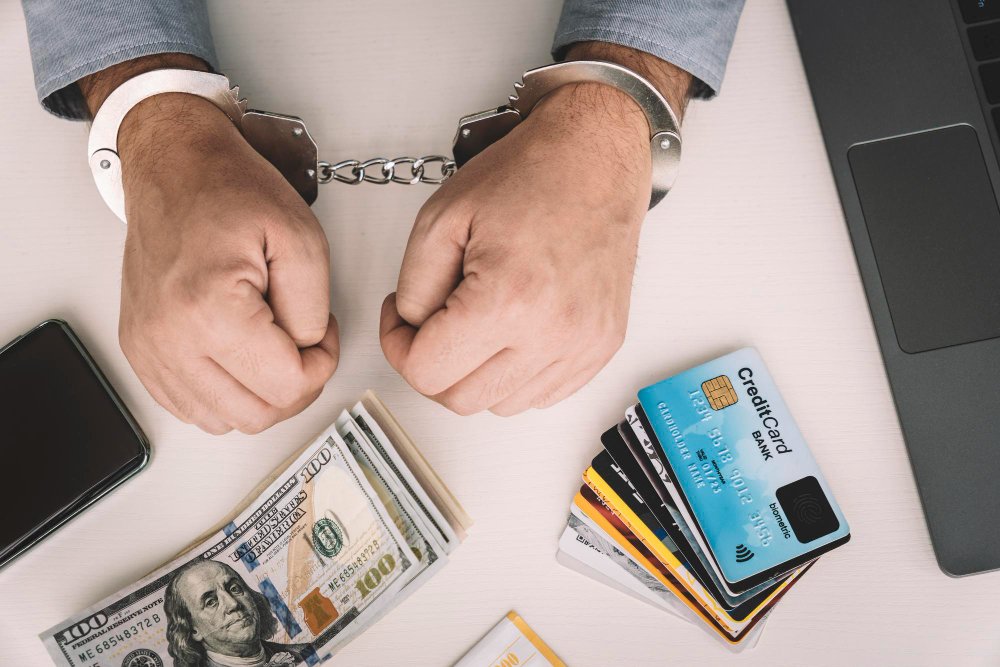
Quick Summary
Owing credit card debt in Texas is a civil matter, not a criminal one, and no law allows a creditor to have you arrested simply because you have an unpaid credit card balance. Debt collectors who threaten jail time may be violating the Fair Debt Collection Practices Act (FDCPA). Creditors do have legal tools available, including lawsuits, judgments, bank account garnishments where allowed, and liens in certain situations. However, Texas generally protects current wages from garnishment for most consumer debts, including credit card debt. Knowing your rights and responding promptly to legal notices are two of the most important steps you can take when debt collection pressure increases.
Credit card debt can be overwhelming, and the fear of arrest often makes the situation feel even more stressful. At Debt Defenders, we frequently hear this concern. The good news is that simply owing credit card debt does not result in jail under Texas law.
Key Takeaways
- You cannot go to jail for owing credit card debt in Texas because unpaid consumer debt is a civil matter, not a criminal offense.
- Creditors may pursue lawsuits, judgments, bank account garnishments where permitted, and liens in certain situations, but Texas generally protects current wages from garnishment for most consumer debts.
- Debt collectors who threaten arrest for unpaid consumer debt may be violating the FDCPA.
- Ignoring a debt lawsuit can lead to a default judgment, making it much more difficult to protect your rights.
Can You Go to Jail For Credit Card Debt In Texas?
No. Unpaid credit card debt is a civil obligation rather than a criminal offense. Simply failing to pay a credit card balance does not result in criminal charges or imprisonment.
The United States eliminated debtor’s prisons long ago, and Texas law does not permit creditors to have someone arrested simply because they owe money on a consumer debt. Creditors who believe they are owed money must pursue collection through the civil court system.
Collection calls and threatening letters sometimes create the impression that arrest is possible. Understanding the difference between civil debt collection and criminal law helps borrowers respond with confidence rather than fear.
What Can Creditors Actually Do If You Stop Paying?
Creditors have legitimate legal remedies when a debt remains unpaid, but those remedies involve civil court rather than criminal prosecution.
A creditor may:
- File a civil lawsuit seeking a judgment.
- Obtain a court judgment if successful.
- Pursue bank account garnishments where permitted by applicable law.
- Record judgment liens in situations allowed by law.
- Report delinquent accounts to consumer reporting agencies.
Texas generally protects current wages from garnishment for most consumer debts, including credit card debt. Although wage garnishment is generally unavailable for ordinary consumer judgments in Texas, other collection methods may still become available after a creditor obtains a judgment.
If you have already been served with a lawsuit, speaking with a debt lawsuit defense lawyer as soon as possible gives you the best opportunity to respond strategically.
When Can Debt Situations Lead to Arrest?
Simply owing money does not lead to arrest. The situations that may involve arrest arise from separate legal obligations rather than the debt itself.
Ignoring a debt lawsuit can lead to serious civil consequences, including a default judgment. Arrest risk is different. It is usually tied to disobeying a direct court order, such as failing to appear for a court-ordered hearing or refusing to provide required post-judgment information. The issue is not the debt itself. It is the failure to comply with the court.
Examples include:
- Contempt of court: A court may impose sanctions if someone knowingly violates a direct court order.
- Fraud or criminal conduct: Criminal charges may arise if a person commits fraud or intentionally engages in criminal activity unrelated to simply owing money.
- Failure to comply with court proceedings: Ignoring specific court orders may have consequences separate from the underlying debt.
Understanding these distinctions is important because some collectors improperly blur the line between civil collection and criminal enforcement.
What Are Your Rights When Debt Collectors Call?
The Fair Debt Collection Practices Act gives consumers important protections against abusive, deceptive, and unfair collection practices.
Debt collectors generally may not:
- Threaten arrest or criminal prosecution over unpaid consumer debt.
- Use abusive, profane, or harassing language.
- Contact you before 8:00 a.m. or after 9:00 p.m. in your local time zone.
- Misrepresent who they are or what legal authority they possess.
- Threaten legal action they cannot legally take or do not intend to pursue.
If a collector tells you that you will be arrested because of unpaid credit card debt, they may be violating federal law. Learning more about FDCPA violations, consumer protection claims, and credit reporting issues may be a practical next step if you suspect a collector has overstepped.
What to Expect If a Creditor Takes Legal Action
Understanding the collection process helps borrowers avoid unnecessary mistakes.
Step 1: Demand Letter
Many creditors first send written collection notices requesting payment before filing a lawsuit.
Step 2: Lawsuit Filed
If collection efforts are unsuccessful, the creditor may file a civil lawsuit.
Step 3: Service of Process
Once served with court papers, you generally have a limited period to file a written response under Texas procedural rules.
Step 4: Response or Default
Responding on time preserves your opportunity to raise defenses. Failing to respond may result in a default judgment.
Step 5: Judgment Enforcement
If a creditor obtains a judgment, it may pursue lawful post-judgment collection remedies. Although Texas generally protects current wages from garnishment for most consumer debts, creditors may still pursue other remedies permitted under Texas law, including bank account garnishments where authorized and certain judgment liens
Common Mistakes People Make When Facing Debt Pressure
- Ignoring court papers because the situation feels overwhelming.
- Paying a debt before confirming that it is accurate and legally enforceable.
- Believing unlawful threats of arrest made by debt collectors.
- Waiting too long to seek legal guidance after receiving a lawsuit.
- Assuming collection notices will stop if they are ignored.
How We Approach Debt Defense at Debt Defenders
With more than 45 years of combined experience in debt defense, bankruptcy, and consumer protection, our team understands that every financial situation is different.
Our approach focuses on three primary objectives:
- Resolve: Evaluate available options, including lawsuit defense, settlement, or bankruptcy when appropriate.
- Protect: Challenge improper collection conduct and hold collectors accountable when they violate consumer protection laws.
- Rebuild: Help clients move toward long-term financial stability, including access to educational resources such as our “7 Steps to a 720 Credit Score” program.
FAQs
No. Threatening arrest for unpaid consumer debt may violate the FDCPA.
Ignoring a lawsuit may result in a default judgment, allowing the creditor to pursue lawful post-judgment collection remedies.
Many credit card claims are subject to Texas statutes of limitation, but the applicable deadline depends on the facts, the governing agreement, and the legal claim involved.
Texas provides strong homestead protections that often protect a primary residence from many consumer judgment creditors, although exceptions may apply.
Review the notice carefully. If appropriate, request debt validation within the time allowed under applicable law before deciding how to respond.
Yes. Delinquent accounts and collection activity may negatively affect your credit history.
Many federal benefits, including Social Security, receive significant legal protections from consumer creditors, although exceptions may apply.
Civil debt disputes involve money owed between private parties. Criminal matters involve violations of criminal law. Unpaid credit card debt generally remains a civil matter.
Texas generally protects current wages from garnishment for most consumer debts, including credit card debt. Certain exceptions exist under federal or state law for obligations such as child support, taxes, and some government-related debts.
Collectors may still attempt to collect older debts, but lawsuits involving time-barred debt may be subject to legal defenses depending on the circumstances.
A debt protection program is a legal strategy that may help individuals address collection risks before creditors obtain judgments or begin post-judgment enforcement.
Threatening arrest, using deceptive statements, contacting you outside permitted hours, or failing to comply with applicable debt collection laws may indicate potential FDCPA violations.
The Fear Is Real, But So Are Your Rights
You cannot go to jail simply because you owe credit card debt in Texas. While creditors have meaningful civil remedies available, Texas law also provides important protections for consumers, particularly regarding wage garnishment for ordinary consumer debts.
If you have received a lawsuit, collection letters, or threatening phone calls, understanding your legal rights early can significantly improve the options available to you.
Disclaimer: This article is for general educational purposes only and is not legal advice. Every case is different. If you have been sued or threatened by a collector, speak with a qualified attorney about your specific situation.